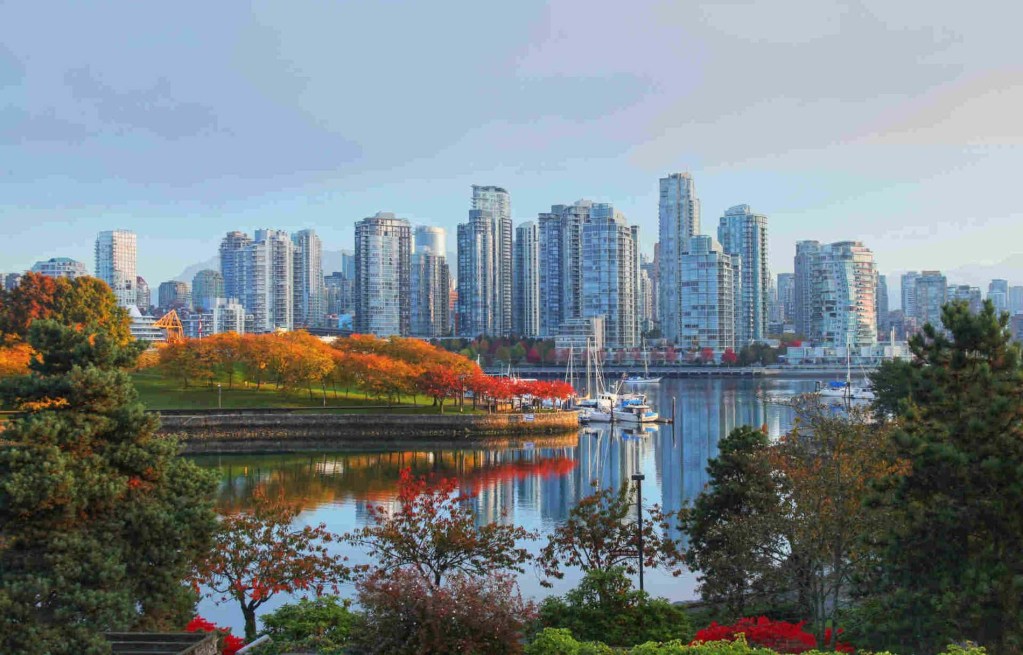
For many Americans looking to travel abroad without venturing too far from home, Vancouver, Canada, has quietly become one of the safest and most welcoming international destinations. Nestled between the Pacific Ocean and the coastal mountains of British Columbia, Vancouver offers travelers the rare combination of international culture, stunning natural scenery, and a reputation as one of the safest major cities in North America. For families, couples, and professionals seeking a refreshing getaway, the city provides a peaceful alternative to more crowded or uncertain international destinations.
Traveling to Vancouver is also remarkably convenient. Direct flights from Houston typically take around four to five hours, making the trip feel more like a domestic journey than a long international voyage. Once you arrive, visitors find a city known for its clean streets, efficient public transportation, and welcoming atmosphere. Vancouver regularly ranks among the world’s most livable cities, and tourists often remark on how easy it is to navigate neighborhoods filled with waterfront parks, lively markets, and diverse restaurants representing cuisines from around the globe.
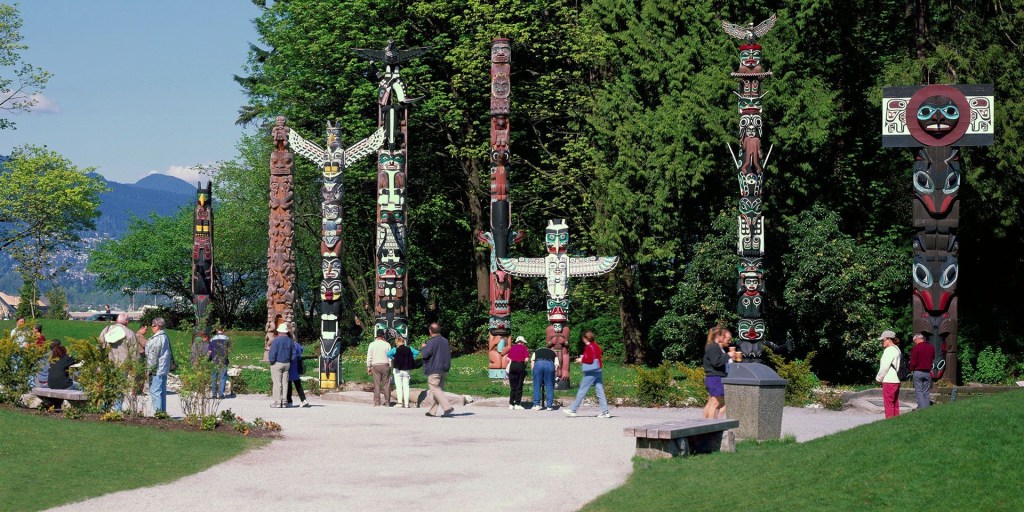
Safety is one of the city’s greatest attractions. Canada consistently ranks among the safest countries in the world, and Vancouver’s downtown areas, waterfront promenades, and cultural districts are known for being pedestrian-friendly and well-policed. Visitors can comfortably walk through neighborhoods such as Gastown, Yaletown, and Coal Harbour, where historic architecture blends with modern cafés, art galleries, and boutique hotels. Stanley Park, one of the largest urban parks in North America, provides miles of scenic walking and biking trails along the ocean, offering travelers a peaceful escape just minutes from downtown.
Beyond the city itself, Vancouver serves as a gateway to some of the most breathtaking landscapes in the world. A short drive north leads to Whistler, a mountain resort famous for skiing in winter and hiking, biking, and alpine lakes during the summer months. Ferries departing from Vancouver’s harbor carry visitors to the San Juan Islands and Vancouver Island, where whale watching, kayaking, and coastal villages provide unforgettable experiences. For travelers who enjoy both city culture and outdoor adventure, few destinations offer such a seamless blend of both.
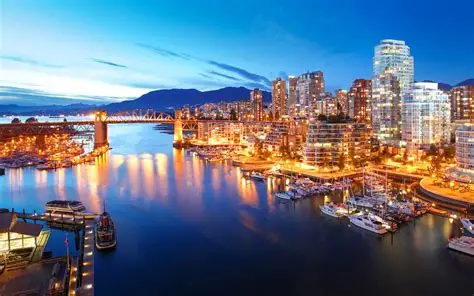
Vancouver’s cultural diversity also makes it one of the most interesting culinary cities in North America. Visitors can explore vibrant neighborhoods like Richmond’s Asian food district, enjoy fresh Pacific seafood along the harbor, or sample international dishes from restaurants that reflect the city’s global population. The city’s markets, including the famous Granville Island Public Market, showcase local produce, artisan foods, and handmade crafts, creating a lively gathering place for residents and tourists alike.
For travelers seeking a destination that feels both international and familiar, Vancouver provides a perfect balance. The city combines the excitement of global travel with the comfort of North American infrastructure, making it easy for visitors to explore without the stress sometimes associated with long-distance travel. English is widely spoken, the currency exchange is straightforward, and healthcare and public services operate at a high standard.
At a time when many travelers are seeking safe, scenic, and culturally rich international destinations, Vancouver stands out as one of the most attractive options just beyond the U.S. border. With its ocean views, mountain backdrops, welcoming communities, and reputation for safety, the city offers something increasingly valuable in today’s travel landscape: a place where visitors can relax, explore, and experience the world with confidence.