
A Moral Call from the Great Voices of Conscience
There are moments in history when a nation hears something deeper than politics. Moments when the voices of its moral leaders — past and present — seem to gather in one place, calling a people back to their conscience.
This week was one of those moments.
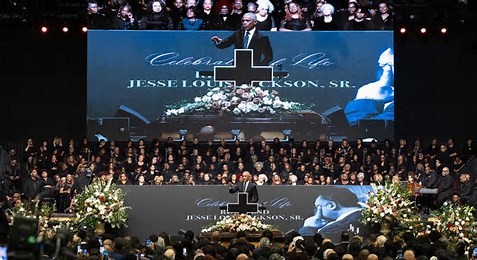
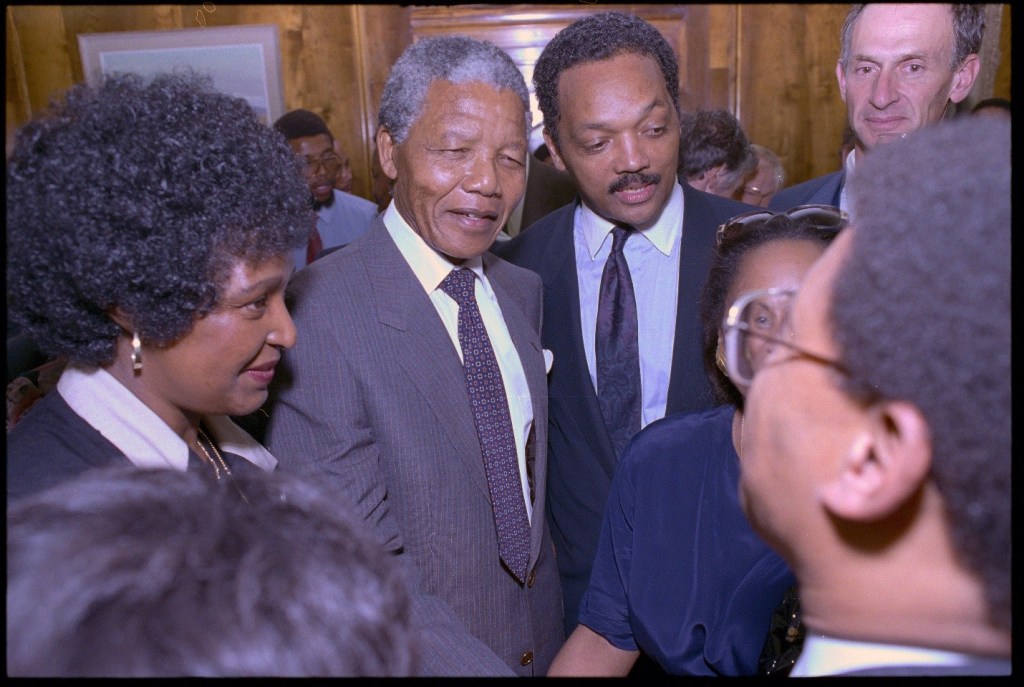
Inside a packed sanctuary filled with hymns, prayer, tears, and memory, America paused to honor the life of the Rev. Jesse Jackson. But what unfolded during the memorial service became far more than a farewell.
It became a sermon to the nation. A reminder that the moral struggle for justice has always required courage. And a call for Americans — including the diverse and hopeful communities of Fort Bend County — to listen once again to the better angels of their nature. At the center of that call stood former President Barack Obama, who rose not merely to remember Jackson’s life but to challenge the nation that Jackson spent six decades trying to awaken.
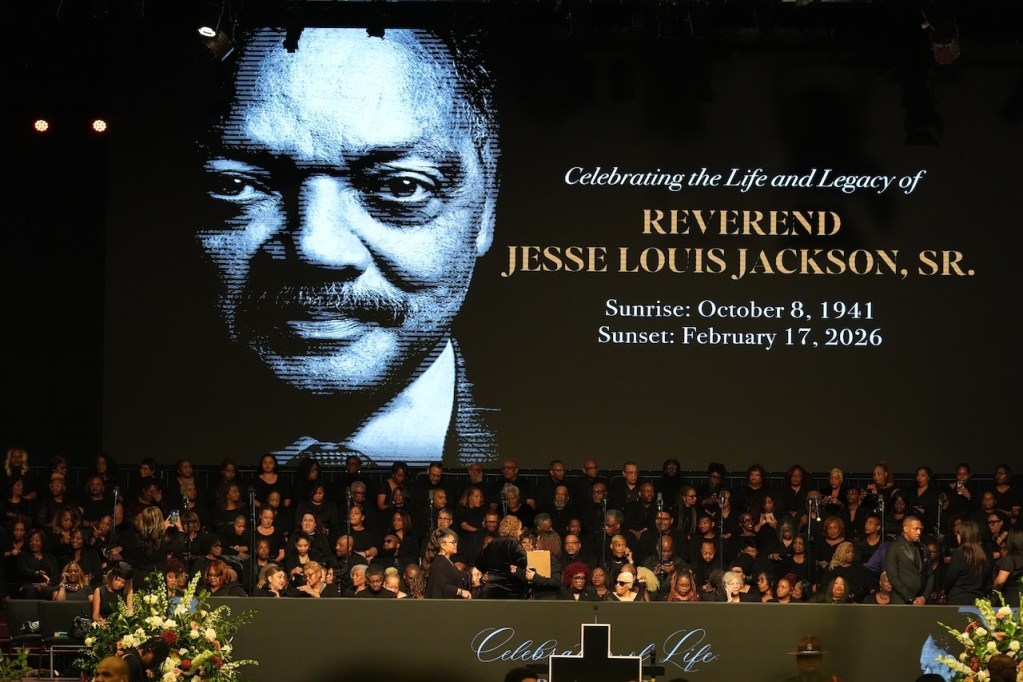
A Life That Believed America Could Be Better
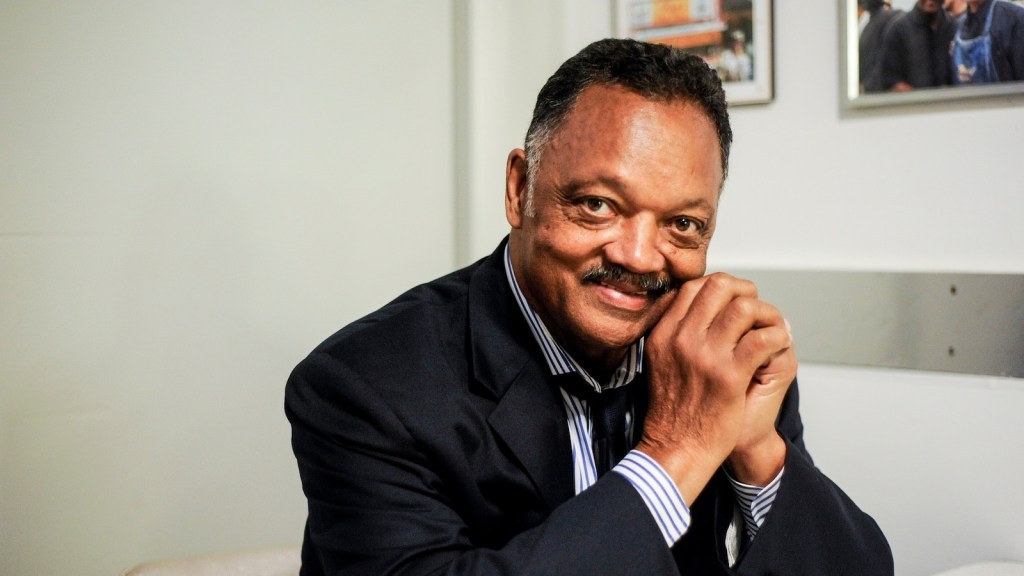
Jesse Jackson came from a generation that believed something radical.
They believed America could change. Born in Greenville, South Carolina during segregation, Jackson grew up in a nation where laws themselves enforced injustice.
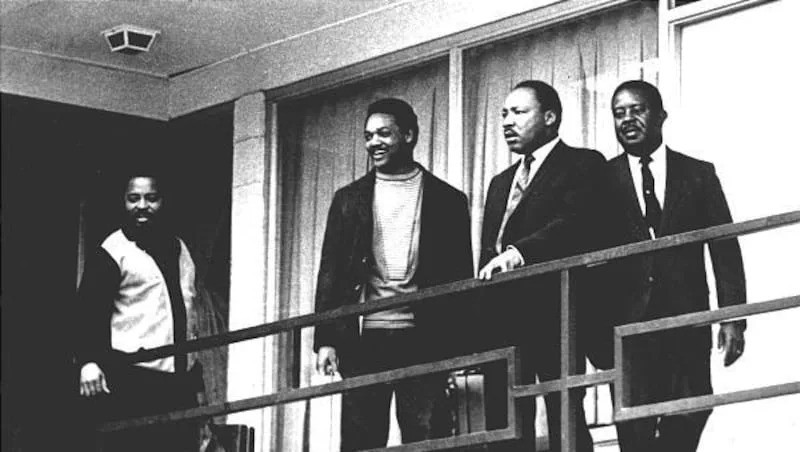
He saw doors closed before he ever had a chance to knock. But instead of accepting that reality, Jackson joined a movement led by the Rev. Martin Luther King Jr., who preached that the arc of the moral universe bends toward justice.
Jackson marched through streets where hatred sometimes greeted hope. He organized workers, registered voters, and spoke in the language of faith. For Jackson and his generation, the fight for civil rights was not simply political.
It was spiritual. It was rooted in a belief shared by prophets, saints, and moral leaders throughout history — that every human being carries divine dignity.

Echoes of the World’s Great Conscience
As Obama spoke, the legacy of Jackson seemed connected to a much larger moral tradition. The struggle Jackson carried forward was the same struggle that inspired Mahatma Gandhi to lead a movement of nonviolent resistance against oppression.
It was the same compassion that guided Mother Teresa to serve the poorest among humanity. It was the same courage that led Martin Luther King Jr. to declare that injustice anywhere is a threat to justice everywhere.
Across faiths and cultures, those leaders spoke a similar truth:
Human dignity is sacred. And silence in the face of injustice is not neutrality — it is surrender.
“We Stood on His Shoulders”
When Obama rose to speak, he did so with humility.
He reminded the audience that the opportunities available to his generation did not appear by accident. They were built through sacrifice.
“Michelle and I will always be grateful for Jesse’s lifetime of service,” Obama said.
Then he spoke a line that captured the spirit of the moment.
“We stood on his shoulders.”
It was a simple statement. But it carried the weight of history. Jackson’s campaigns for president in the 1980s helped reshape American politics.
His Rainbow Coalition brought together Black voters, working-class families, immigrants, labor leaders, and young activists who had never before felt fully represented. The coalition did not simply seek power. It sought justice. And decades later, it helped create the political foundation that made Obama’s presidency possible.
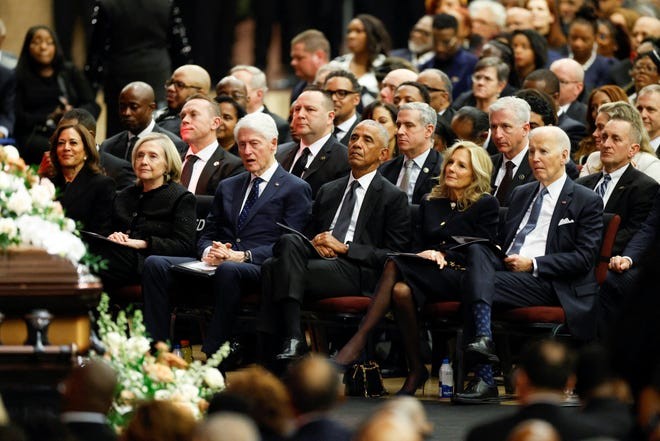
Three former Presidents, One Vice President Harris and a Secretary of State (Clinton). Harris, Clinton, Obama, Dr. Jill Biden and President Biden
The Faith That Sustained a Movement
The memorial service itself reflected the spiritual roots of Jackson’s life. Jewish rabbis, Christian ministers, and leaders from many faith traditions gathered together.
Rabbi David Saperstein spoke of the shared moral obligation that runs through all religious traditions.
“The Hebrew prophets taught us that justice must roll down like waters,” he said.
“Jesse Jackson believed that promise belonged to every generation.”
From the Christian pulpit, Bishop William Barber II described Jackson’s activism as a living expression of faith.
“He believed faith was not just something we spoke about on Sunday,” Barber said.
“He believed faith demanded that we stand up for the poor, the forgotten, and the oppressed.”
That belief echoed teachings found in the Bible, the Torah, the Quran, and countless other sacred texts.
Love your neighbor. Defend the vulnerable. Seek justice. Walk humbly.
A Son’s Memory
The emotional center of the memorial came when Jackson’s son spoke about the man he knew not as an icon but as a father.
“My father believed in people,” he said.
“He believed America’s promise was real, even when the nation struggled to live up to it.”
Jackson described a home where activism was constant and hope was discipline.
“He used to tell us that hope was not a slogan,” he said. “It was work.”
Those words captured the essence of Jesse Jackson’s life.
Hope, for him, was never passive.
It required courage. It required sacrifice. And it required faith.
Obama’s Challenge to America
Midway through his speech, Obama turned his attention from the past to the present.
“There are moments when a nation must ask itself who it is becoming,” he said.
The former president spoke about the tone of modern public life — the anger, the division, the temptation toward cruelty.
“Being loud is not the same as being strong,” he said.
“Strength is not humiliating someone who disagrees with you.”
“Strength is having the character to treat people with dignity.”
The words echoed through the sanctuary.
They sounded less like politics and more like a sermon.
A sermon about the moral character of a nation.
The Battle Between Selfishness and Conscience
Throughout history, great moral leaders have warned that societies rise or fall based on the choices their citizens make.
Selfishness or sacrifice.
Fear or courage.
Division or unity.
Gandhi once taught that hatred cannot drive out hatred. King reminded the world that darkness cannot drive out darkness. Mother Teresa showed that compassion can transform even the harshest realities. Obama’s message echoed that tradition.
Democracy, he said, cannot survive when cruelty becomes entertainment. It cannot endure when citizens lose respect for one another. The strength of a nation lies not only in its institutions but in the character of its people.
Why This Moment Matters
The message resonated far beyond the sanctuary. Across the nation, Americans watched a reminder that leadership is not simply about power.
It is about purpose. Communities like Fort Bend County understand this truth well.
Fort Bend is one of the most diverse counties in America. Families from every continent live here. Different faiths, languages, and cultures intersect every day. In many ways, Fort Bend reflects the coalition Jesse Jackson imagined decades ago. But diversity alone does not create unity. Unity requires respect. It requires shared purpose. And it requires leaders willing to appeal to the best within us.
The Baton Passed Forward
Near the end of his remarks, Obama returned to the theme that defined Jackson’s life: hope. For decades Jackson ended his speeches with three words that became a rallying cry across America. Keep hope alive. Obama reminded the audience that hope is not naïve. It is disciplined courage. The struggle for justice, he said, is not a sprint. It is a relay. Each generation carries the baton for a time. And then it passes it forward. “Reverend Jackson carried that baton for more than half a century,” Obama said. “Now it is our turn.”

The Better Angels Still Speak
As the memorial concluded, the sanctuary filled with song and prayer.
But the message that emerged from that gathering did not remain in the room.
It traveled across the nation. To cities and towns. To schools and churches.
To communities like Fort Bend County. The voices of moral leaders across history seemed to echo together. King reminding us that justice must prevail. Gandhi reminding us that courage can be peaceful. Mother Teresa reminding us that compassion can change the world. And Jesse Jackson reminding us to keep hope alive.
Obama’s final words carried that spirit. The story of America, he said, is the story of a nation still striving to live up to its ideals. A nation still capable of extraordinary progress. But only if its people choose courage over cynicism. Compassion over cruelty. Service over selfishness. The better angels of our nature are still calling. There are some leaders in Fort Bend County who represent our better Angels. We must vote for those who represent them and each and every one of us must become one of those better Angels.
