America, War, and the Question of Who We Want to Be
There are moments in history when a nation must pause and ask a difficult question about itself: Who are we becoming?
For generations, the United States built a reputation not simply as a powerful country, but as a nation that tried—however imperfectly—to lead with ideals. After World War II, America helped build the modern international order. It helped create institutions meant to prevent the kind of devastation the world had just witnessed. It helped rebuild Europe. It fed millions across the globe. It invested in diplomacy, development, and humanitarian relief.
Organizations like the United States Agency for International Development (USAID) symbolized that vision. USAID food shipments helped stave off famine in Africa. American agricultural aid programs helped nations survive drought and crop failure. Medical assistance programs helped fight disease from Asia to Latin America. In villages thousands of miles away, American grain sacks and medical kits often carried the same message: that the United States believed strength included compassion.
America was not always perfect in that role. But the aspiration mattered.
Today, many Americans are beginning to wonder whether that aspiration is fading.
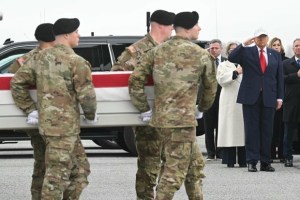
Across the world, tensions are rising. Conflicts involving Iran, instability in Latin America, rivalries with China, and growing global military competition are creating a dangerous international environment. At the center of many of these tensions is the United States, the world’s most powerful military force.
The question now being asked by allies, critics, and citizens alike is simple but profound:
Is America still leading with humanitarian ideals, or is it increasingly acting like a bully? Yes we are now acting liking a bully.
That question is not just about one president or one political party. It is about a deeper shift in how power is used.
Power can build. Power can protect. Power can deter aggression.
But power can also intimidate, dominate, and escalate.
When nations rely too heavily on threats, military strikes, and displays of strength, they risk replacing diplomacy with force and cooperation with fear. History offers many examples of powerful nations that believed strength alone could secure peace, only to discover that intimidation often breeds resistance rather than stability.
The United States once tried to balance these forces. Military power existed alongside humanitarian leadership. Aircraft carriers sailed the seas, but American cargo planes also delivered food, medicine, and disaster relief.
That balance helped shape how the world viewed America.
When earthquakes struck Haiti, American aid workers were among the first to arrive. When famine threatened East Africa, American grain shipments helped feed starving populations. When disease outbreaks spread, American-funded programs helped deliver vaccines and medical support.
These actions were not merely acts of charity. They were expressions of a deeper philosophy: that American strength should be tied to the well-being of humanity.
But critics now worry that the humanitarian side of American leadership is shrinking.
Funding debates surrounding programs like USAID and other global assistance efforts have raised concerns among international development experts. Humanitarian organizations warn that reductions in aid, combined with rising military tensions, risk reshaping America’s image abroad.
The concern is not only about budgets. It is about priorities.
When the world sees missiles more often than medicine, threats more often than food shipments, the perception of a nation changes.
A nation that feeds the world is admired.
A nation that intimidates the world is feared.
Fear can sometimes produce compliance in the short term, but it rarely produces lasting stability.
History teaches that humanitarian leadership creates allies. Bullying creates adversaries.
The United States has long benefited from a network of alliances and partnerships built not only on military cooperation but also on shared values. Nations have trusted America not only because of its strength but because of its belief in human dignity, democratic governance, and international cooperation.
If that perception erodes, the consequences could be significant.
Global trust is one of the most valuable forms of power any nation can possess. Economists sometimes call it “soft power”—the ability to influence the world through example, culture, diplomacy, and humanitarian leadership.
Soft power helped America win the Cold War without a direct superpower conflict. It helped democratic ideals spread in regions once dominated by authoritarian rule. It helped build partnerships that strengthened global security.
But soft power cannot survive if a nation is seen primarily as coercive.
The question facing the United States today is whether it can maintain the balance between strength and compassion that defined its most admired periods.
Being strong is not inherently wrong. In a dangerous world, military capability remains essential. Nations must defend themselves and their allies. Deterrence remains a cornerstone of international security.
But strength without restraint can become something else entirely.
A nation that uses power without humility risks becoming the very force it once opposed.
The founders of the United States understood this tension. They feared concentrated power and warned about the dangers of unchecked authority, particularly when it came to war. They believed decisions involving military force should involve debate, accountability, and democratic oversight.
Those principles were meant to prevent any leader from acting alone in matters that could shape the fate of the nation and the world.
Today, Americans are again debating those principles.
Some believe strong leadership and decisive action are necessary in a dangerous world. Others worry that excessive reliance on military force and aggressive rhetoric risks undermining international law, global stability, and America’s moral authority.
Both concerns reflect genuine fears.
The world is indeed becoming more unstable. Rival powers are rising. Conflicts are intensifying. Cyber warfare, economic competition, and regional disputes are creating new challenges for global security.
But instability abroad does not mean America must abandon the humanitarian values that once defined its leadership.
The most powerful nations in history were not remembered solely for their armies.
They were remembered for the civilizations they built, the values they defended, and the hope they offered.
The United States once represented that hope for millions around the world.
Refugees looked to America as a place of safety. Developing nations looked to America as a partner in progress. Democracies looked to America as a defender of freedom.
These perceptions were not created by weapons alone.
They were built through humanitarian programs, development partnerships, diplomatic leadership, and the belief that American power should serve a larger purpose.
That purpose was never simply dominance.
It was leadership grounded in responsibility.
As global tensions rise, Americans face a choice about what kind of nation they want to be in the decades ahead.
Do we define strength solely by our military reach?
Or do we define strength by our ability to uplift humanity while protecting our own security?
The answer will shape how future generations remember this era.
Will historians say America turned inward, relying on force and intimidation as global instability grew?
Or will they say America rediscovered the balance between power and principle that once made it a beacon for the world?
Those questions cannot be answered by presidents alone. They must be answered by citizens, lawmakers, communities, and voters who decide what kind of leadership they expect from their country.
The world is watching.
And perhaps the most important question is not what America can do, but who America chooses to be.