Long before farming became an industry powered by machines and corporations, it was African Americans who mastered the land, transformed soil into sustenance, and built the agricultural backbone of the United States. To speak honestly about American farming is to acknowledge this truth: African Americans were among the best farmers America has ever produced.
Masters of the Land
Enslaved Africans brought with them generations of agricultural knowledge—from rice cultivation and irrigation to crop rotation and soil management. On plantations across the South, it was Black labor and Black expertise that determined which crops thrived, when harvests occurred, and how land was sustained year after year.
After emancipation, that expertise did not disappear. It expanded.
Freed African Americans became sharecroppers, tenant farmers, and—when allowed—landowners. Despite discrimination, violence, and systemic barriers, Black farmers turned small plots into productive farms, feeding families, towns, and regional markets.
Innovation That Changed the World
Few figures symbolize agricultural brilliance more than George Washington Carver. Born into slavery, Carver revolutionized Southern agriculture through crop diversification, soil conservation, and sustainable farming practices. His work saved depleted farmland and introduced hundreds of uses for peanuts, sweet potatoes, and legumes—principles still taught in modern agricultural science.
Carver’s work at Tuskegee Institute proved a powerful truth: Black farmers were not just laborers—they were scientists, innovators, and stewards of the land.
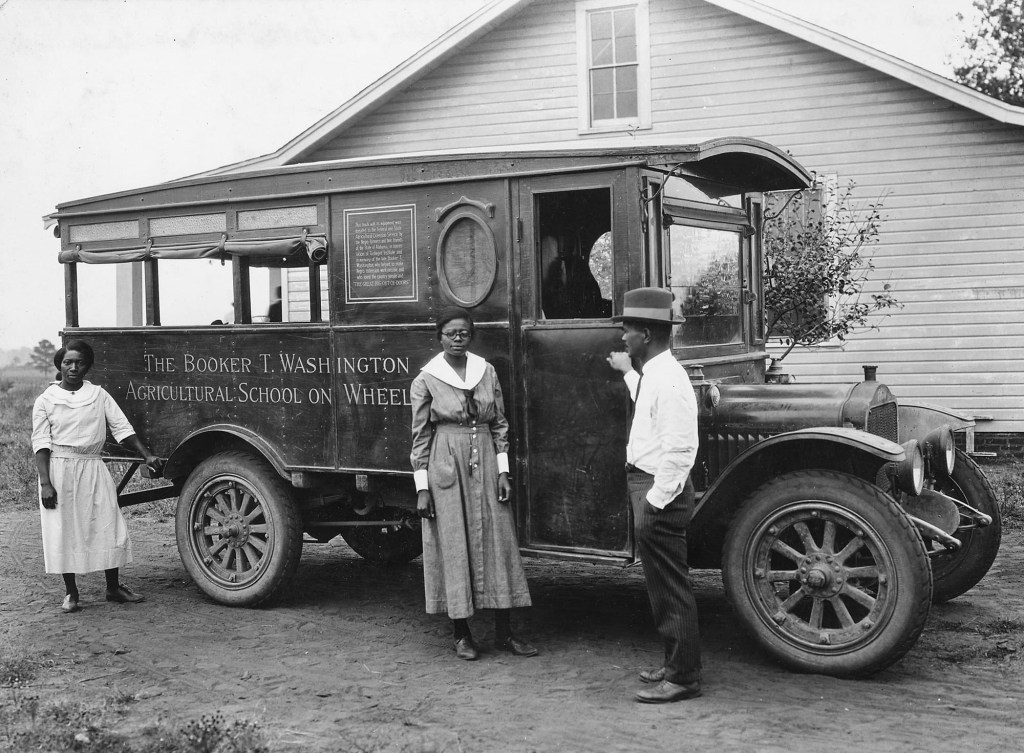
Alongside him, Booker T. Washington emphasized agricultural education as economic independence, training generations of Black farmers to build wealth and self-sufficiency through land ownership and skill.
Texas and the Black Farming Tradition
In Texas, African American farmers played a central role in shaping rural economies. After the Civil War, Black Texans established farming communities, purchased land, and became some of the most productive cotton, sugarcane, rice, and livestock producers in the state.
By 1910, African Americans owned millions of acres of farmland nationwide, a remarkable achievement given the obstacles they faced. Their farms were models of efficiency—often diversified, family-run, and resilient against harsh conditions.
What Was Taken—and What Endures
Through discriminatory lending, violence, legal manipulation, and exclusion from federal programs, Black farmers lost much of their land over the 20th century. This loss was not due to lack of skill or effort—it was the result of systemic injustice.
Yet the legacy endures.
Today, a new generation of African American farmers is reclaiming agriculture through sustainable farming, urban agriculture, regenerative practices, and land stewardship—honoring the past while feeding the future.
Why This Legacy Matters
African American farming is not just history—it is a blueprint. It teaches sustainability before the word became popular. It teaches community resilience, respect for the land, and innovation under pressure.
To say African Americans were among the best farmers America has ever known is not opinion—it is fact.
They fed a nation.
They healed the soil.
They passed down knowledge that still sustains agriculture today.
And as America looks toward a more sustainable and equitable food system, it would do well to remember—and uplift—the farmers who helped grow it first.