From earlier care for patients to a more reliable power grid, artificial intelligence could help Fort Bend County meet the demands of rapid growth—if the community directs it toward public needs.
Artificial intelligence is often described as a technology that will change the world. For Fort Bend County, two of its most consequential uses may be closer to home: helping residents get the care they need and helping keep electricity reliable as the region grows.
The comparison to the Industrial Revolution is more than a slogan. Industrial machines multiplied human strength and changed how goods were made. AI can multiply people’s ability to work with information: spotting patterns, forecasting demand, organizing records and helping professionals make decisions. It will not replace the judgment of a doctor or the expertise of an energy engineer. Its value will depend on whether it helps them do their work better—and whether residents share in the benefits.
Health care: getting the right help to people sooner
Fort Bend County has major hospitals and community health providers, yet access is not equal for every resident. A health assessment conducted by Rice University’s Kinder Institute and UTHealth Houston for the county found that mental health services and prenatal care are significant challenges. Half of residents surveyed said they needed mental health care during the previous year, but only 49% said they could always access it. Among those who needed prenatal care, fewer than half said they were always able to get it. Cost, insurance coverage and difficulty getting appointments were among the barriers residents reported. UTHealth Houston
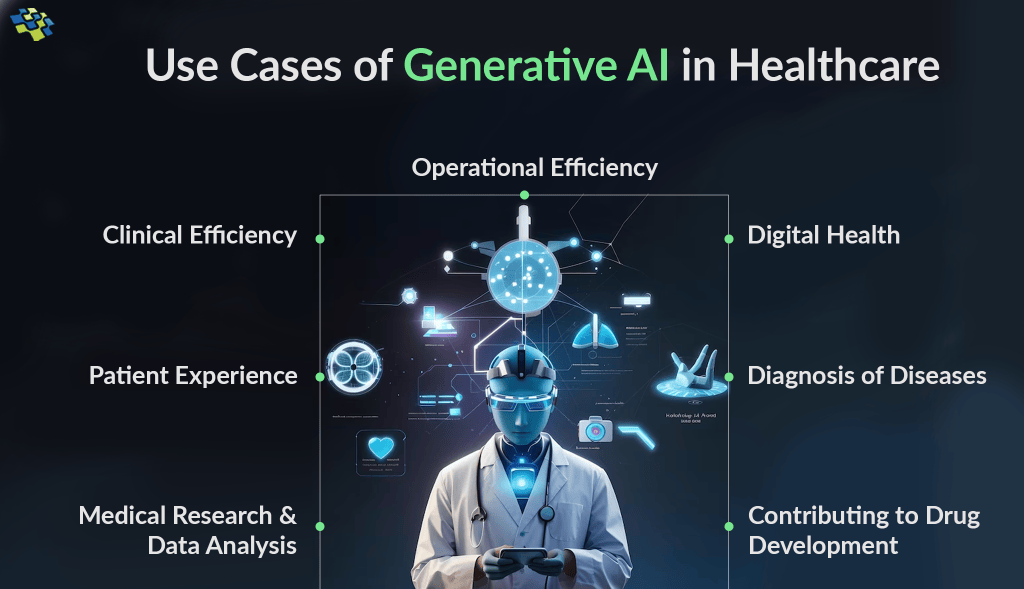
AI could help health professionals identify gaps and respond earlier. With appropriate privacy safeguards, clinical systems could help flag patients who may need follow-up for chronic conditions such as high blood pressure or diabetes. A care navigator might use AI to organize referrals, remind patients about appointments, summarize medical records or find nearby services. A prenatal care team could use it to help track missed visits and connect expectant parents with support. Mental health tools could help patients find resources and assist clinicians with administrative work, while keeping diagnosis and treatment decisions in the hands of qualified professionals.
This matters in a county where health care is delivered by a mix of hospitals, clinics and public agencies. Houston Methodist Sugar Land and Memorial Hermann Sugar Land serve the region, while AccessHealth provides primary care through locations including Richmond and Missouri City. Fort Bend County Health & Human Services also provides public health services and has identified mental health and maternal care among its top health priorities for 2025–2028. AI could help those organizations coordinate care across systems, but only if their technology works together and reflects the county’s languages, needs and local resources.
For residents, the goal should be practical: fewer people lost between a referral and an appointment, less time spent repeating information, and faster connections to appropriate care. AI should not make health decisions behind a curtain. Patients need to know when a system is involved, understand how their information is being used and have a human professional they can reach
Energy: meeting growth without leaving customers behind
AI creates an energy challenge as well as an opportunity. Data centers that train and run AI systems require substantial electricity. CenterPoint Energy reported in April that it expected to energize 8 gigawatts of data center projects across Greater Houston by 2029, with 3.5 gigawatts already under construction at the time. That is a regional forecast, not a statement that all of those projects will be built in Fort Bend County. But it shows the scale of new electricity demand facing the Houston area. CenterPoint Energy, Inc.,
The county is also part of the energy solution. In Needville, Ørsted’s Old 300 project pairs a 430-megawatt solar facility with a 250-megawatt battery system that can store and deliver electricity when it is needed. The storage facility began commercial operation in August and is connected to the Texas grid. us.orsted.com
AI can help energy providers forecast electricity use, predict when solar generation will rise or fall, and identify equipment problems before they cause outages. It could help operators coordinate batteries, power plants and customer demand during periods of strain. Hospitals and other critical facilities could use forecasting tools to plan for peak demand and test backup power arrangements. These are potential applications, not a claim that every utility or facility is already using them
Fort Bend’s challenge is to welcome innovation while protecting reliability and affordability. The International Energy Agency has warned that growing data center investments raise questions about electricity prices, emissions and water use. If new AI facilities add pressure to the grid, households and small businesses should not be left carrying costs that primarily serve large users. New power demand must be planned alongside generation, storage and transmission—and communities should be able to understand the trade-offs.
A local test for a world-changing technology
AI can make health care and energy systems more efficient, but it cannot create doctors, clinics, power lines or electricity on its own. It cannot correct unequal access unless leaders choose to address it. It cannot guarantee that a forecast is right or that an automated recommendation is fair.
The World Bank’s 2026 development report emphasizes that countries need reliable power, connectivity, skills and strong institutions to benefit from AI. Its message applies locally, too: technology works best when communities first understand the problem and build the foundations to solve it.
www.worldbank.org Fort Bend County can judge AI projects by clear questions. Does the tool help residents reach care sooner? Does it support clinicians rather than replace them? Does it improve grid reliability? Are patients’ information and ratepayers’ interests protected? Can people challenge a consequential decision or speak with a person when the system fails? The Industrial Revolution reshaped America because inventions were joined to infrastructure, investment and human work. AI may become just as consequential. In Fort Bend County, its success should be measured not by the size of a data center or the sophistication of an algorithm, but by healthier residents, more dependable electricity and a fair share of the gains for the people who live here.